Festival History
From a party among friends to an internationally renowned Latin festival
MORE THAN 20 YEARS OF HISTORY
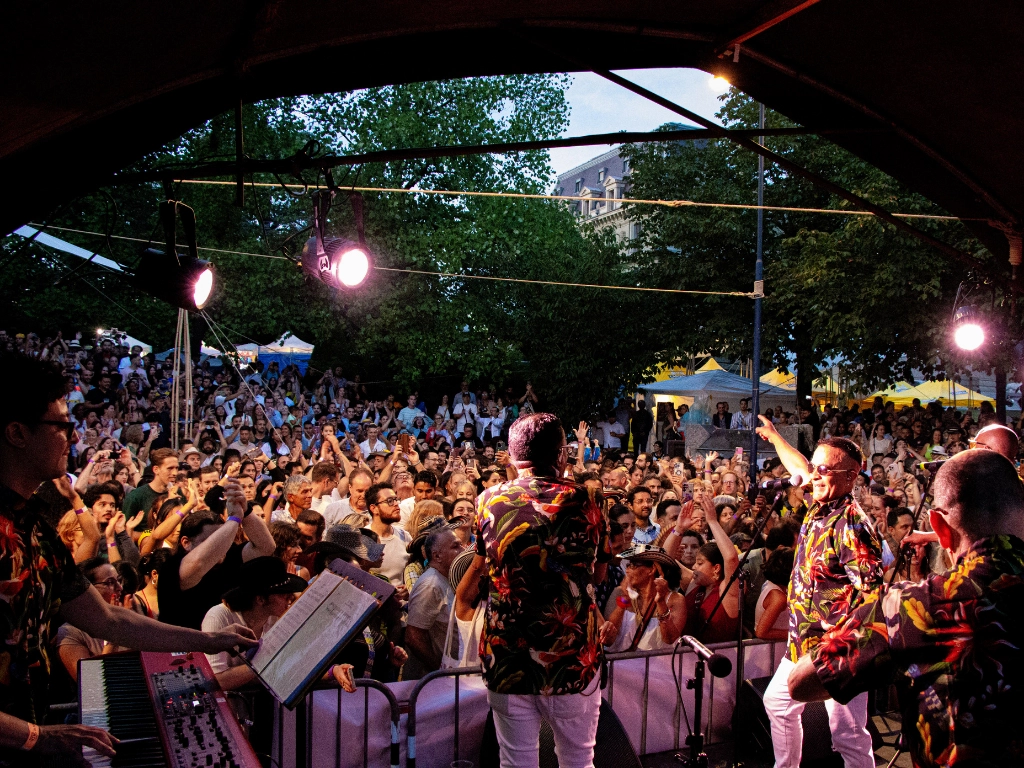
What began in 2003 as a small Colombian get-together among friends in Lausanne now brings together thousands of people to celebrate Latin music, food and Colombian culture.
This is the story of how the Colombia Vive Festival grew, told through its artists, its milestones and its community.
Milestone 2003
The birth of the festival
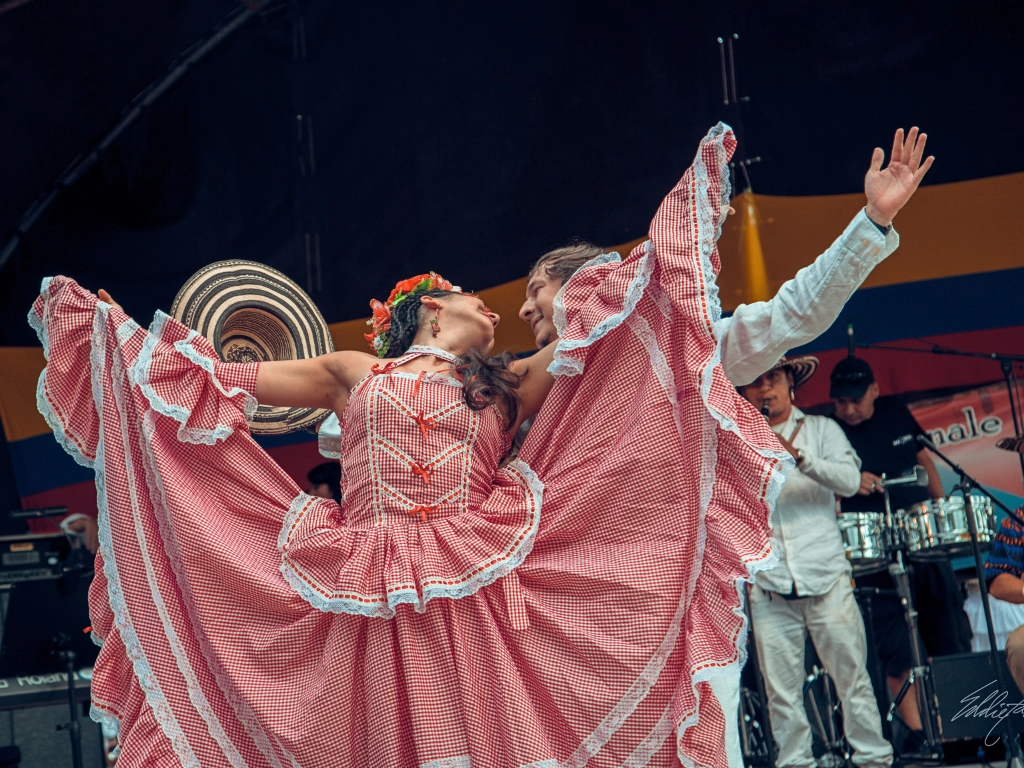
The “Fiesta Nacional Colombiana” is born to celebrate 20 July, the anniversary of Colombia’s Cry of Independence. The event starts out as a get-together among members of the association.
The first edition takes place on a Sunday, with free entry, from 4 pm to 9 pm, and attracts between 40 and 50 people.
The folk group Maquerule, made up of students from UNIL and EPFL, plays at this first edition and remains linked to the festival for several years.
40–50 attendees
01
02
2004
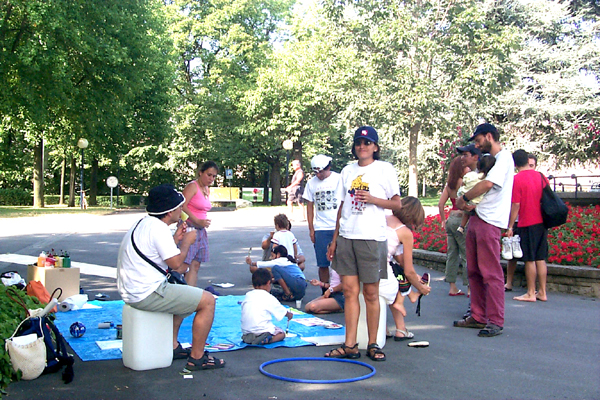
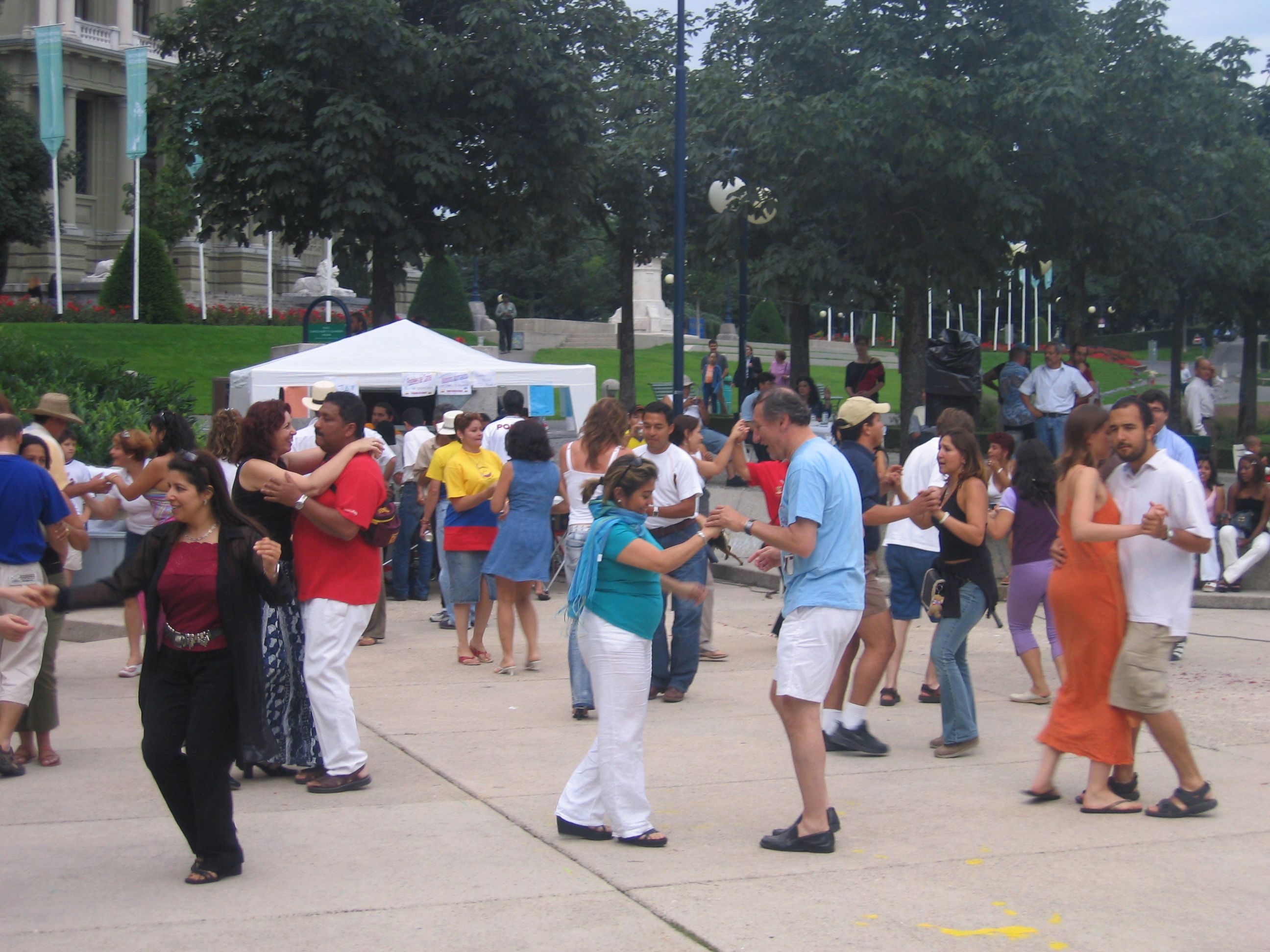
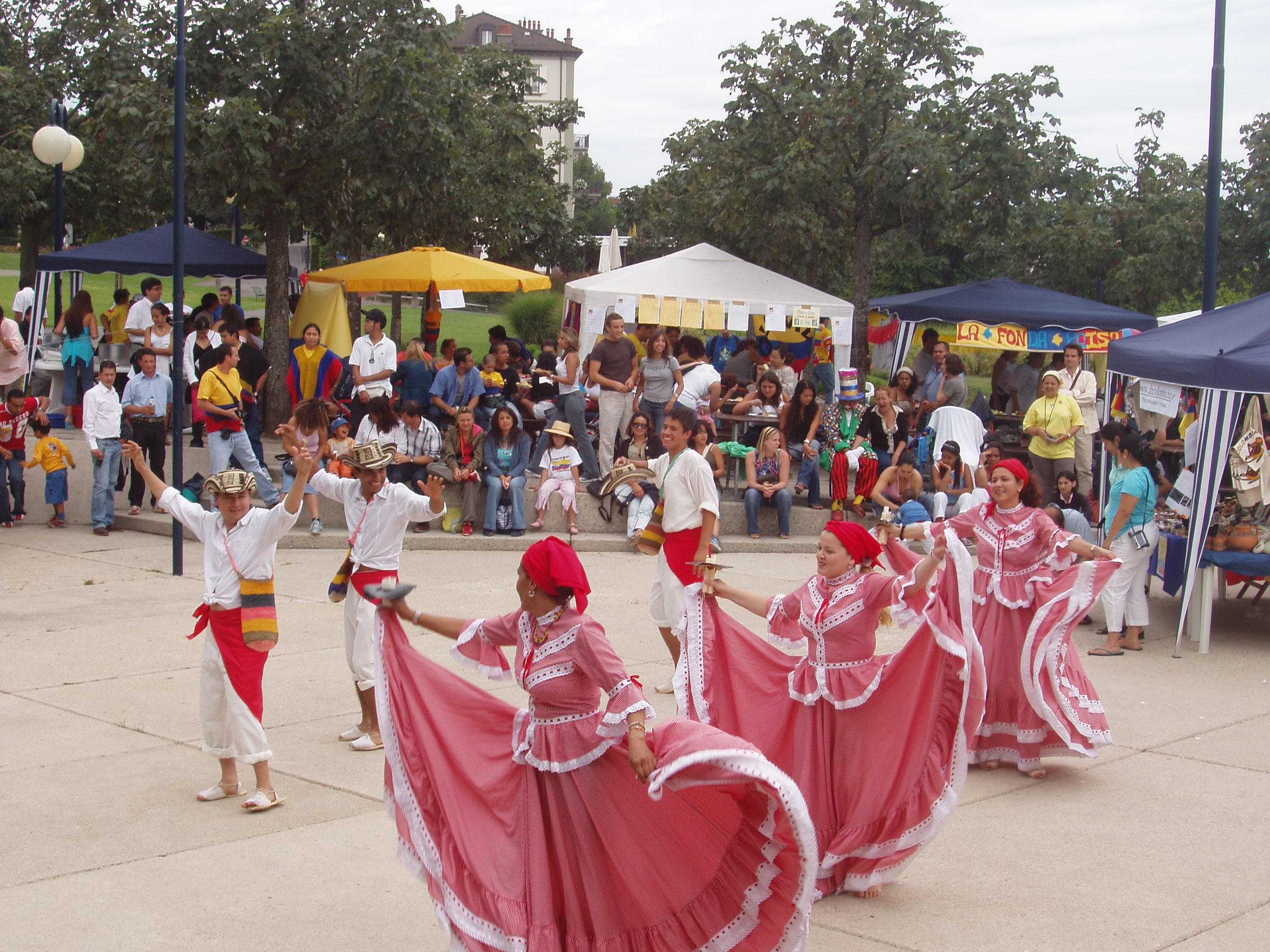
The Fiesta Nacional Colombiana keeps growing and extends its hours until midnight, establishing itself as a gathering place for the Colombian community in Lausanne.
2005
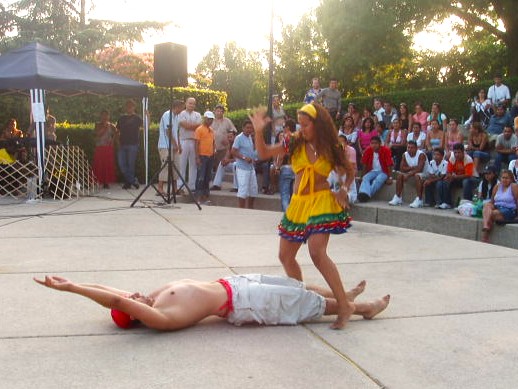
For the first time, live concerts and Colombian DJs join the party. The band Mamasa closes the musical day and attendance reaches around 300 people.
300 attendees
03
04
2006
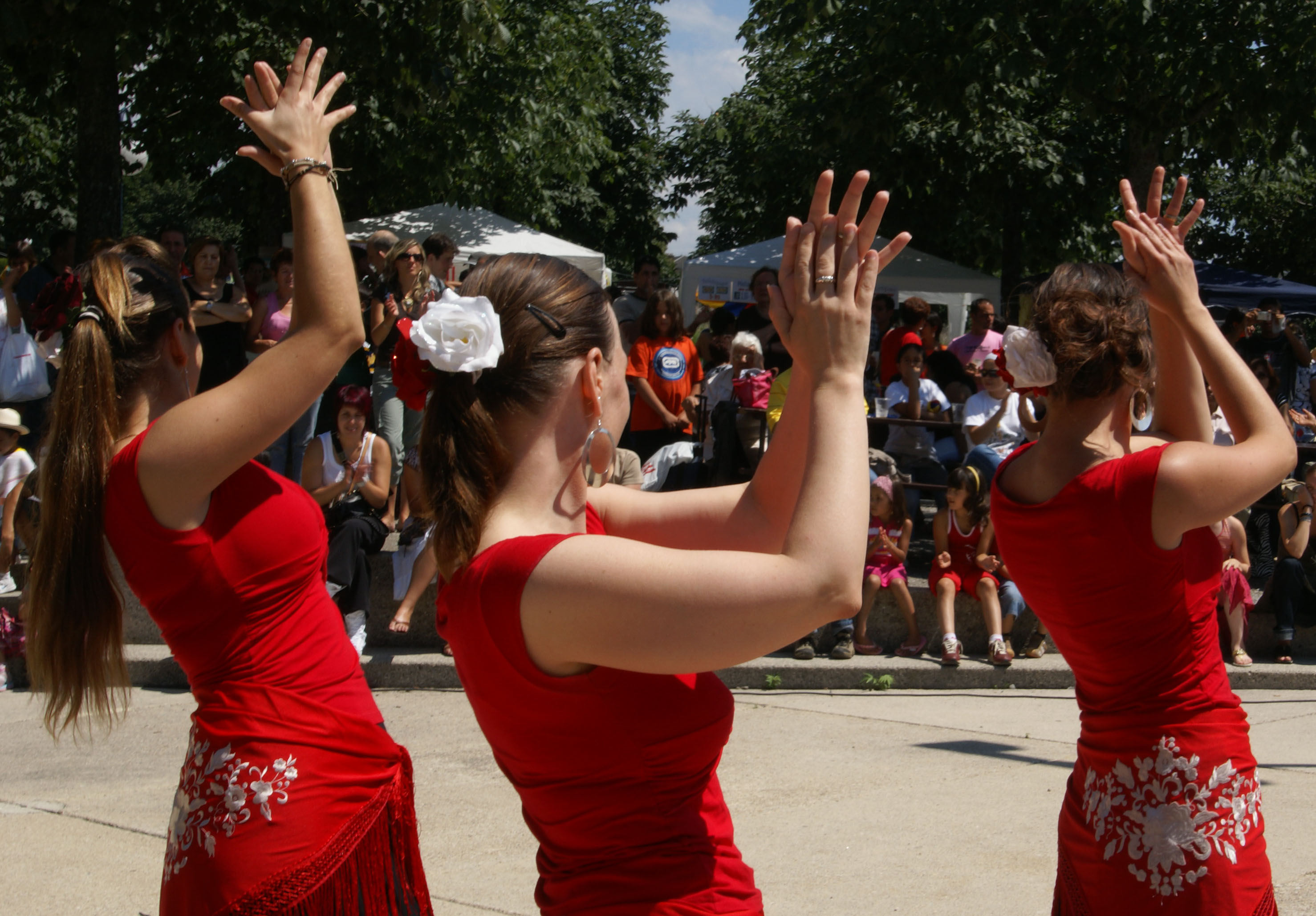
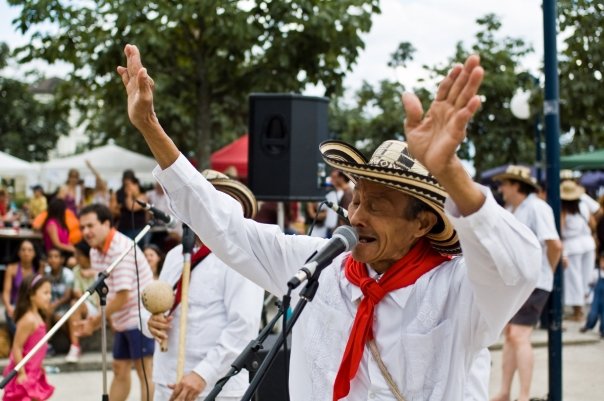
The festival keeps its community feel, with the band Son Tropical, a DJ and an increasingly solid musical line-up.
2007
The Fiesta Nacional Colombiana keeps growing stronger as a cultural, fun-filled day out for the whole family.
05
06
Milestone 2008
The festival changes scale
The festival lives one of the most important moments in its history with the arrival of the Gaiteros de San Jacinto, the first international-level artist ever invited to the event.
Attendance reaches between 800 and 1000 people and, for the first time, a professional stage and larger-scale logistics are set up. The community even organises a collection to fund the artists' journey, exceeding the expected goal.
From this moment on, the festival stops being a small party among friends and becomes a major cultural event.
From community gathering to major cultural event
800–1000 attendees · Gaiteros de San Jacinto
2009
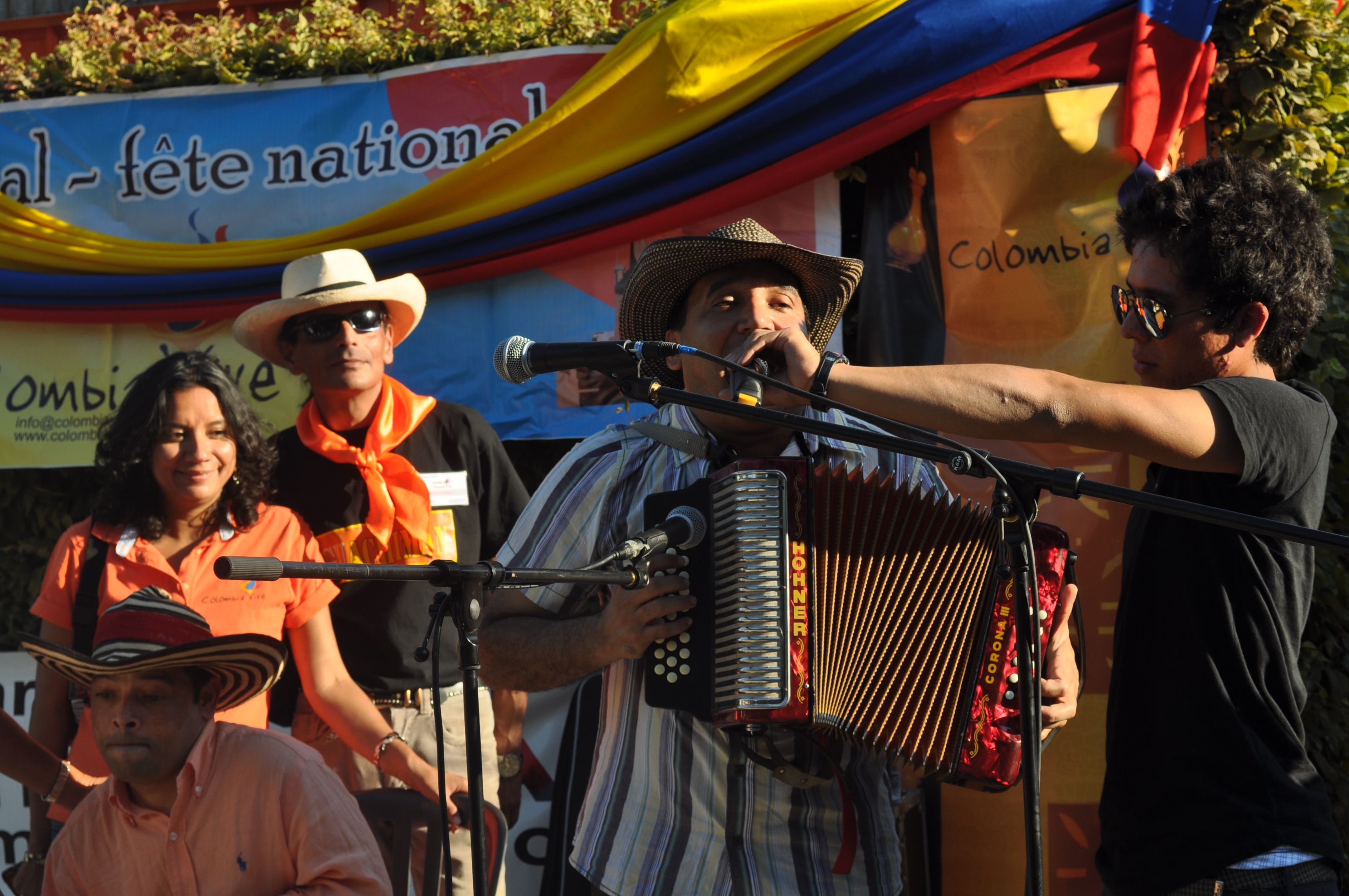
The festival keeps bringing Latin American artists from abroad. This edition's main guest is José Alfonso "El Chiche" Maestre.
07
08
2010
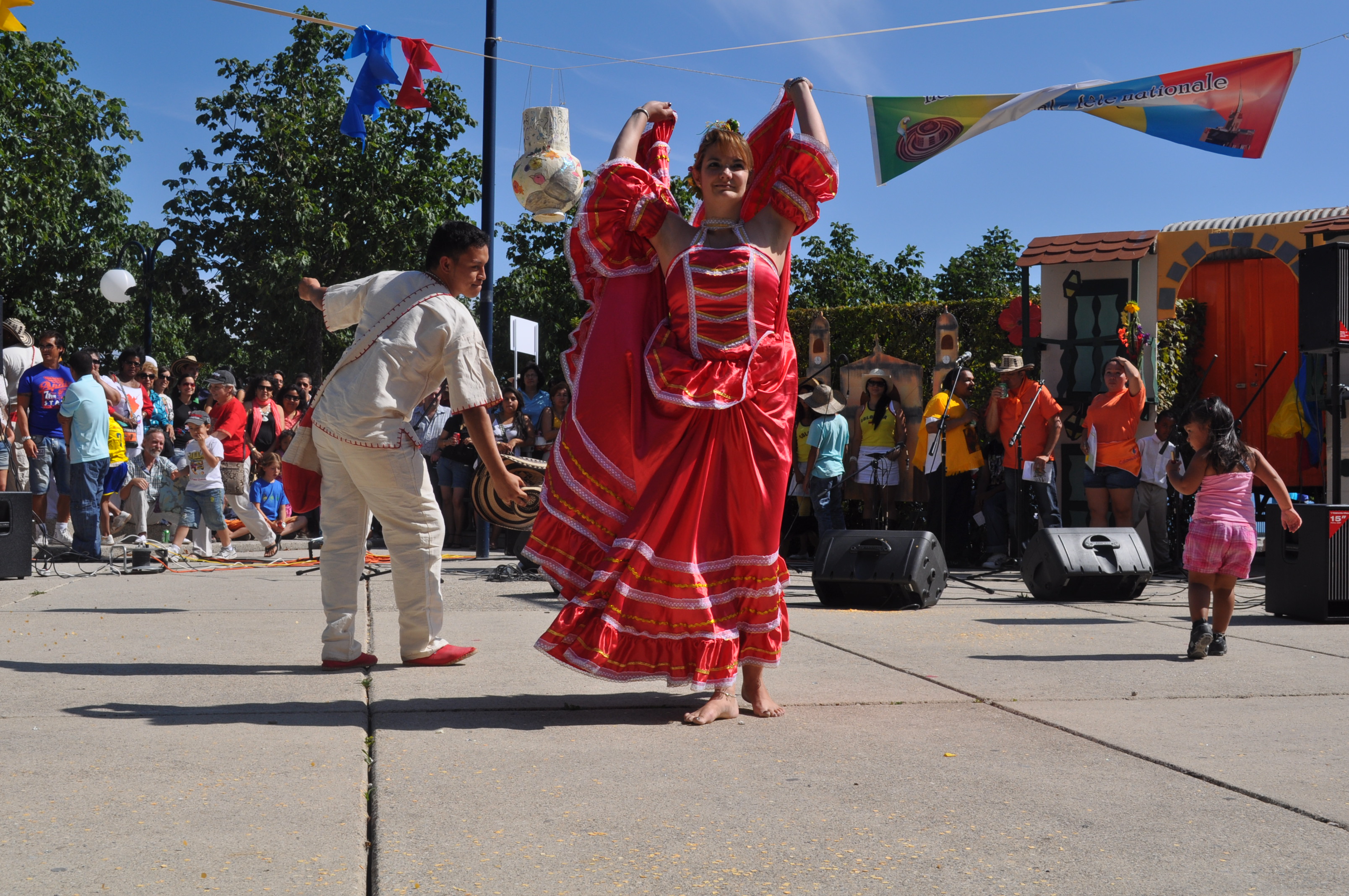
As part of the Bicentennial of Colombia's Independence, the festival presents groups such as Mi Tumbao and Oscar Rodríguez y sus amigos.
Milestone 2011
The first two-day festival
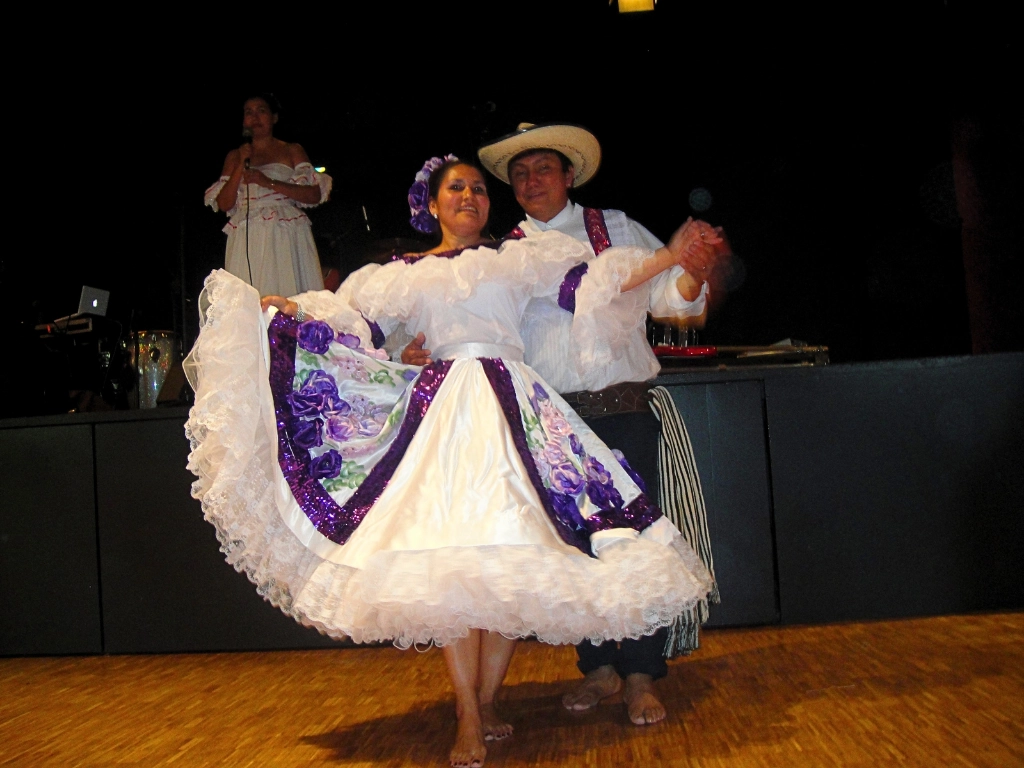
Coinciding with the 10th anniversary of the Colombia Vive association, the festival takes place for the first time over two full days: Saturday and Sunday.
The growing attendance also makes it necessary to professionalise the event's logistics, bringing in private security and public toilets.
10 years of Colombia Vive
09
10
2012
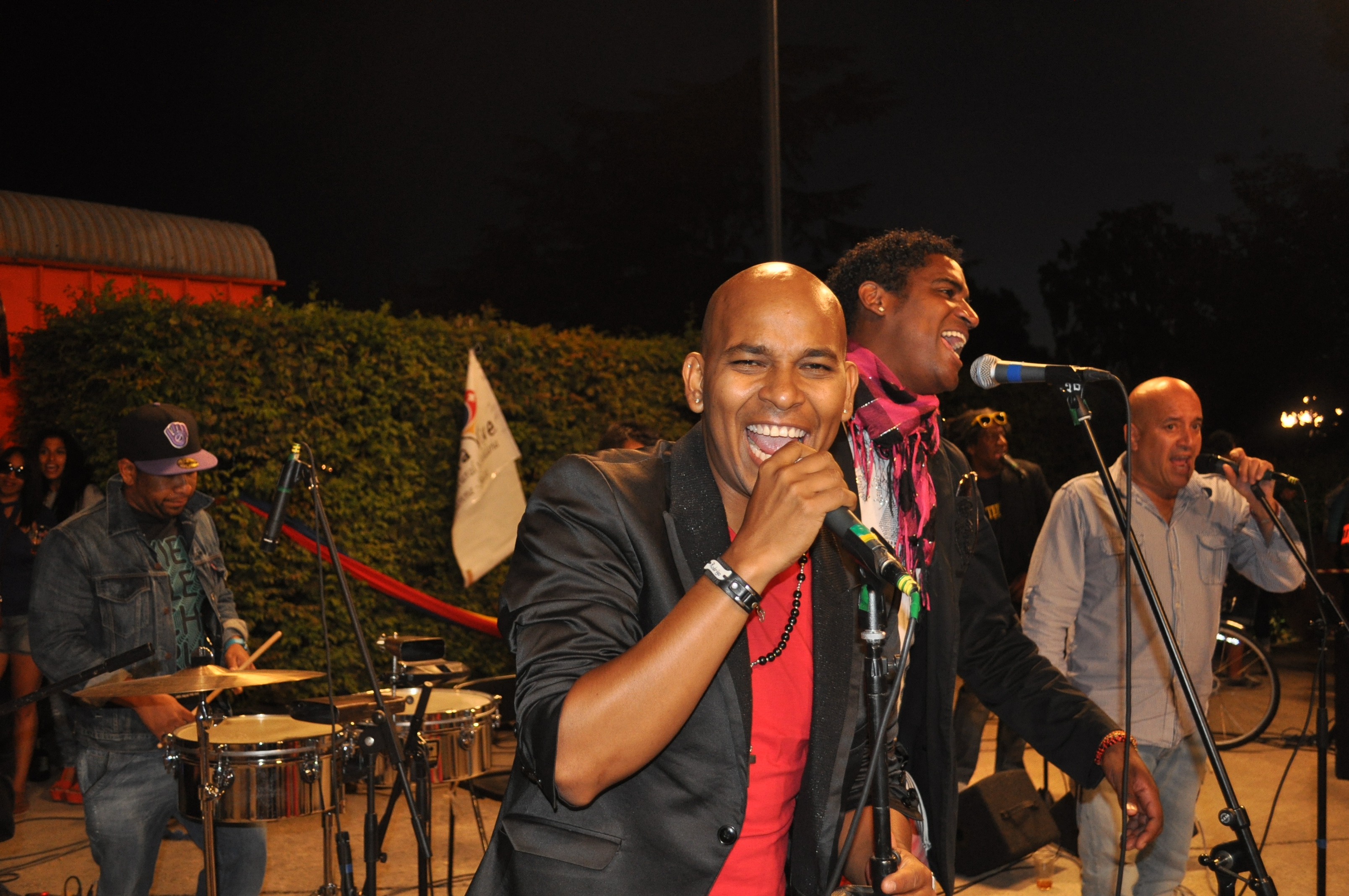
The festival brings together artists from many musical genres, such as Mercado Negro, Álvaro Ríos and LDDC. This year also sees the birth of the slogan that would accompany the festival from then on:
Don't wait for someone to tell you about it… come and live it!
2013
The "Festival" is here to stay
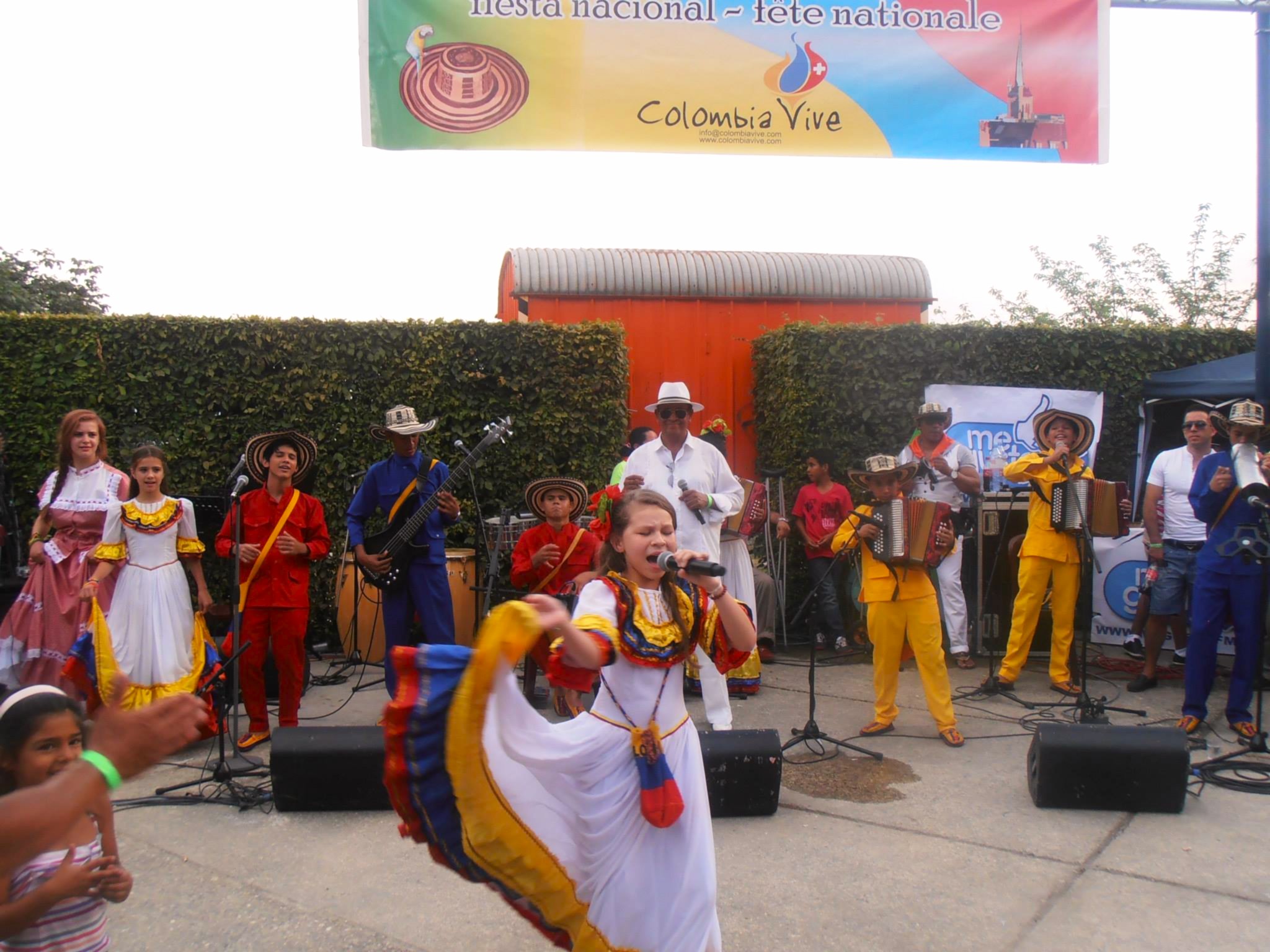
For the first time, the event officially adopts the name "Festival". This edition features Los Niños Vallenatos del Turco Gil and a tribute to Joe Arroyo.
The name Festival is used for the first time
11
12
Milestone 2014
The first three-day festival
For the first time, the Colombia Vive Festival takes place over three days: Friday, Saturday and Sunday.
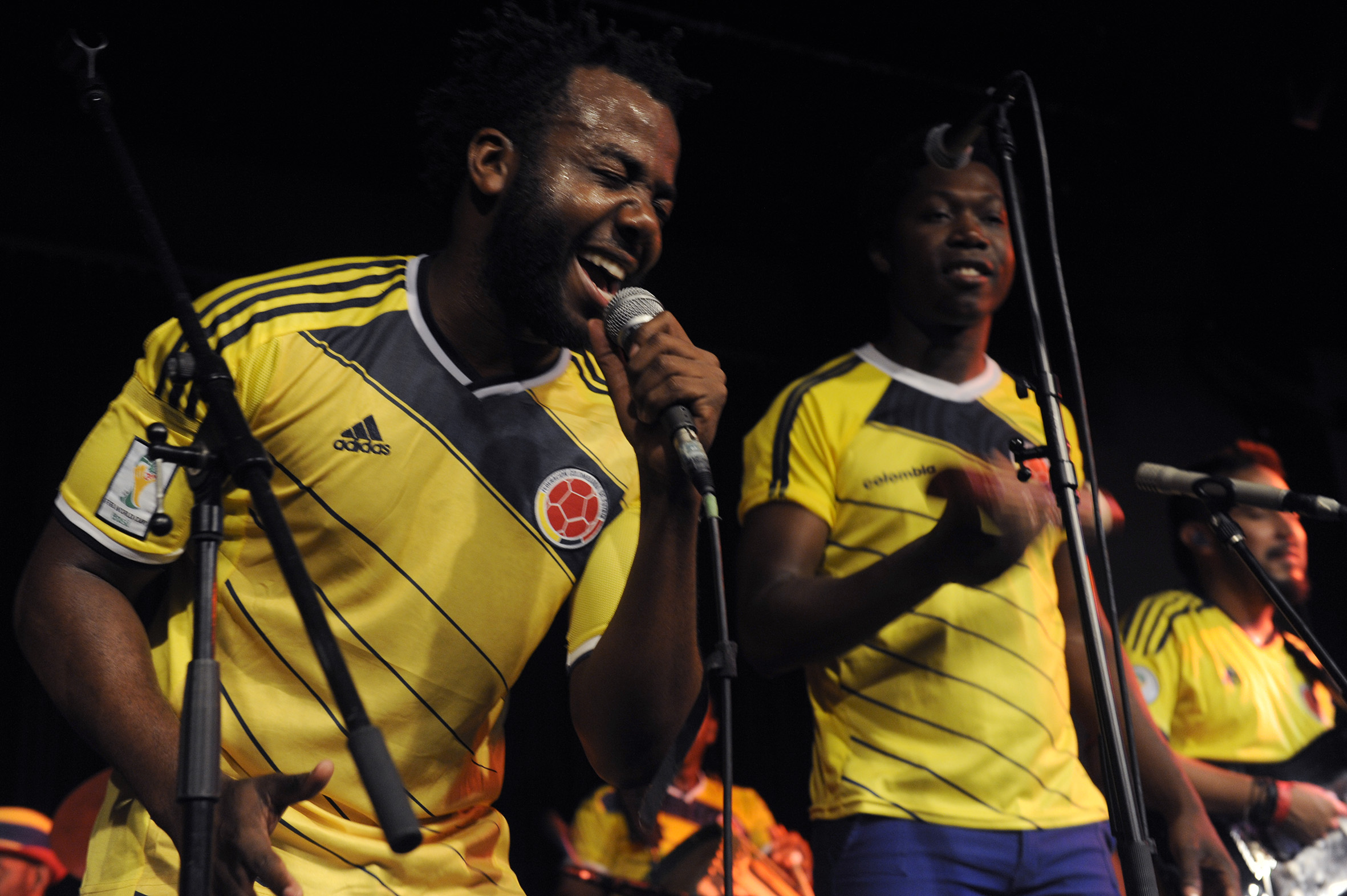
The special appearance of Herencia de Timbiquí, the guest band fresh from winning the Gaviota de Plata at the 2013 Viña del Mar Festival, is another key moment in the festival’s history.
This edition also sees the arrival of DJs well known on the Swiss scene, such as DJ Kristo and DJ Chivi, who go on to take part in many editions.
For the first time, an entrance fee is charged to help cover the festival’s production costs.
First 3-day festival · Herencia de Timbiquí · Entry: 5 CHF
2015
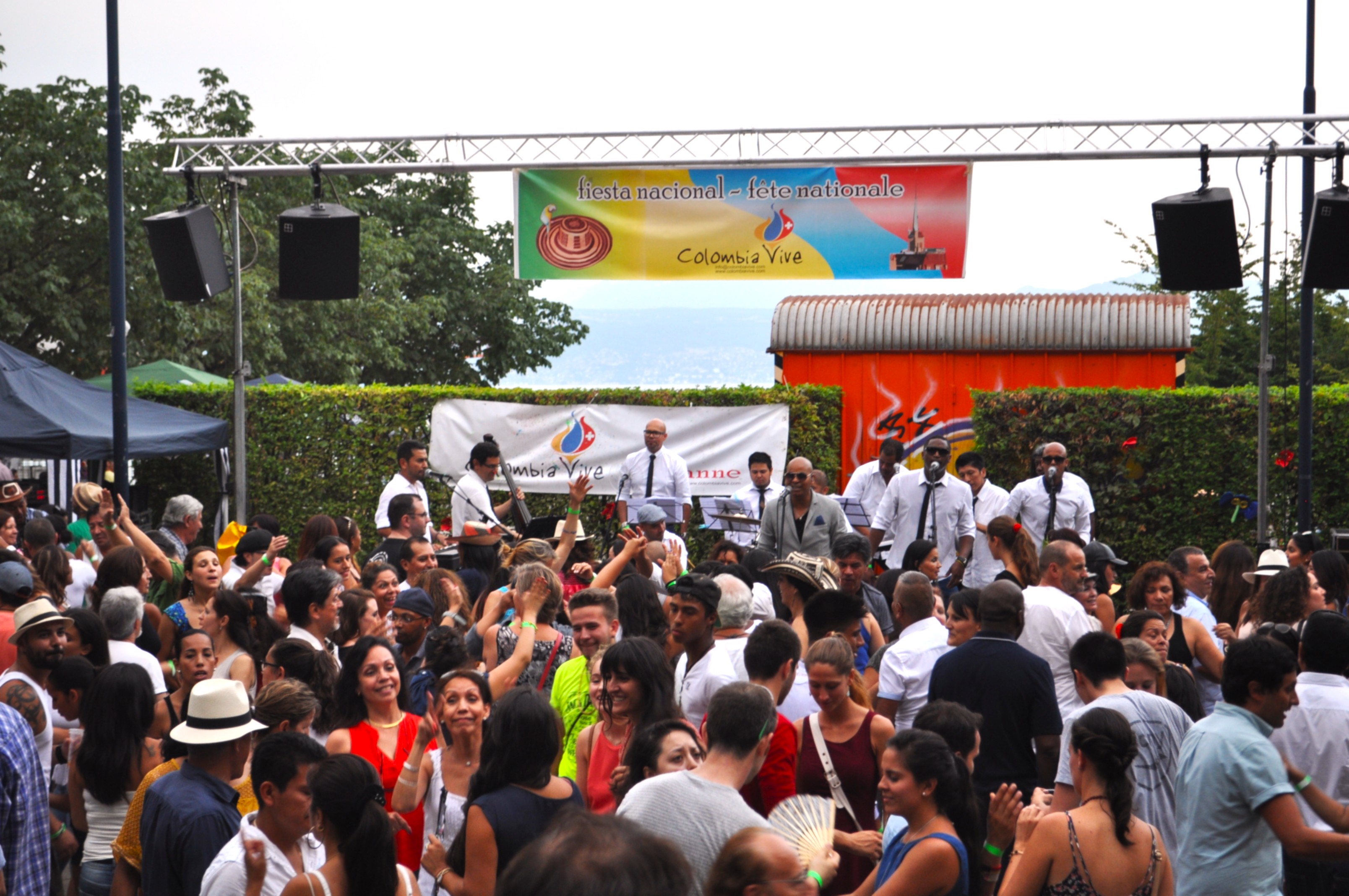
The festival temporarily returns to a two-day format while it keeps strengthening its organisational and artistic structure.
13
14
2016
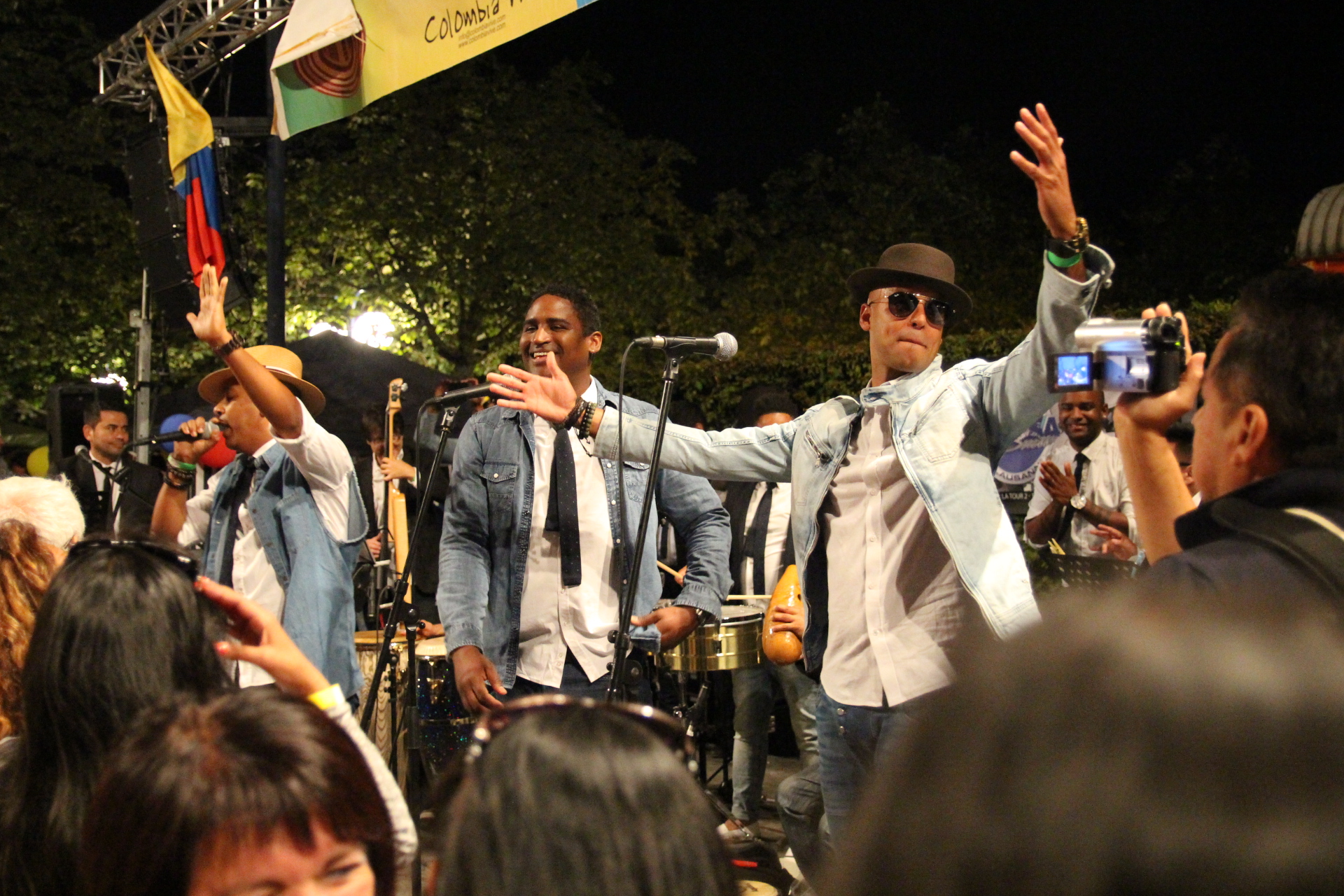
The festival goes back to the three-day format and welcomes the renowned Colombian orchestra "La 33" as its main act.
2017
The festival's visual identity evolves towards a more modern, simplified design, focused on the essential information and the audience's experience.
15
16
Milestone 2018
The festival cements its identity
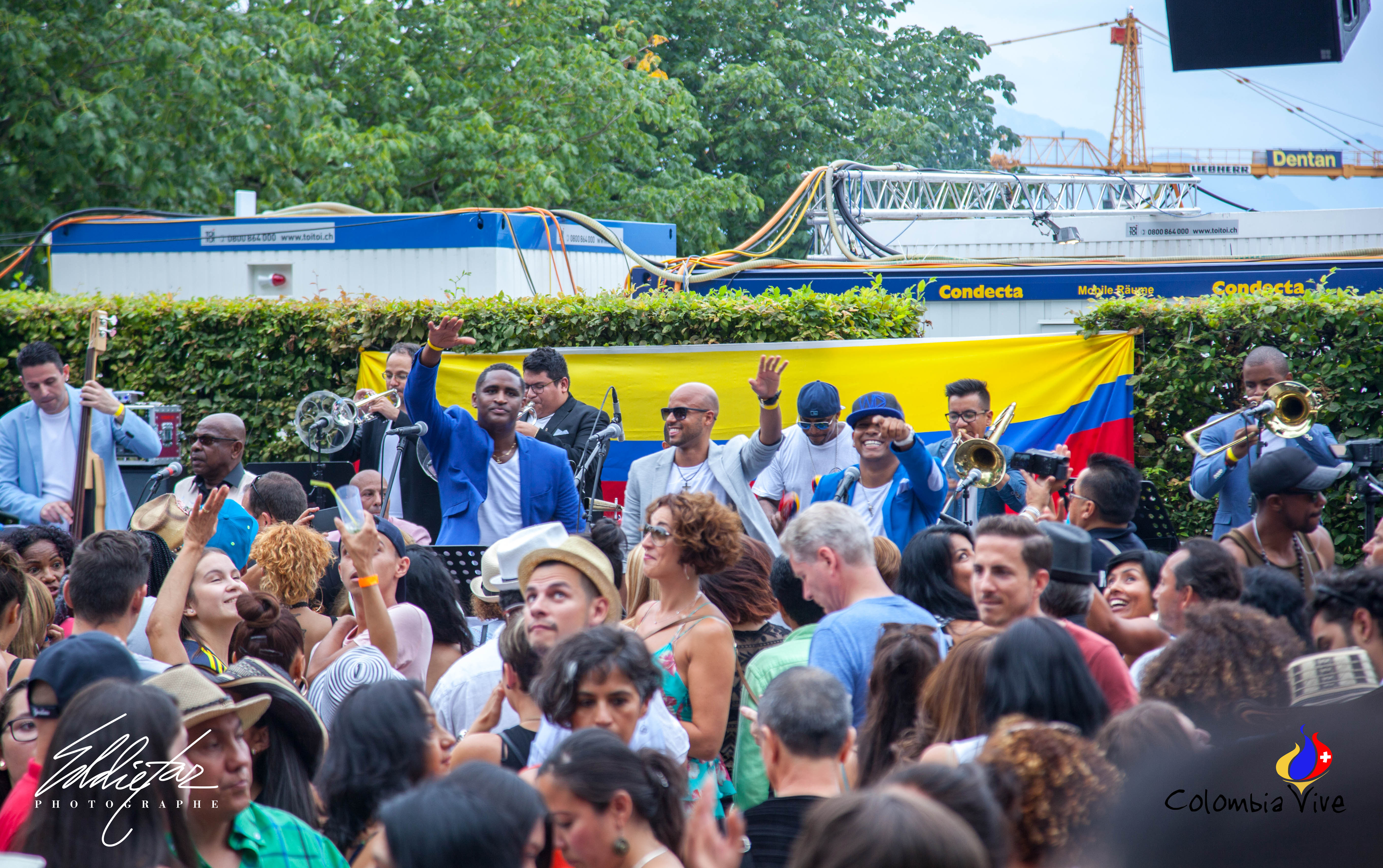
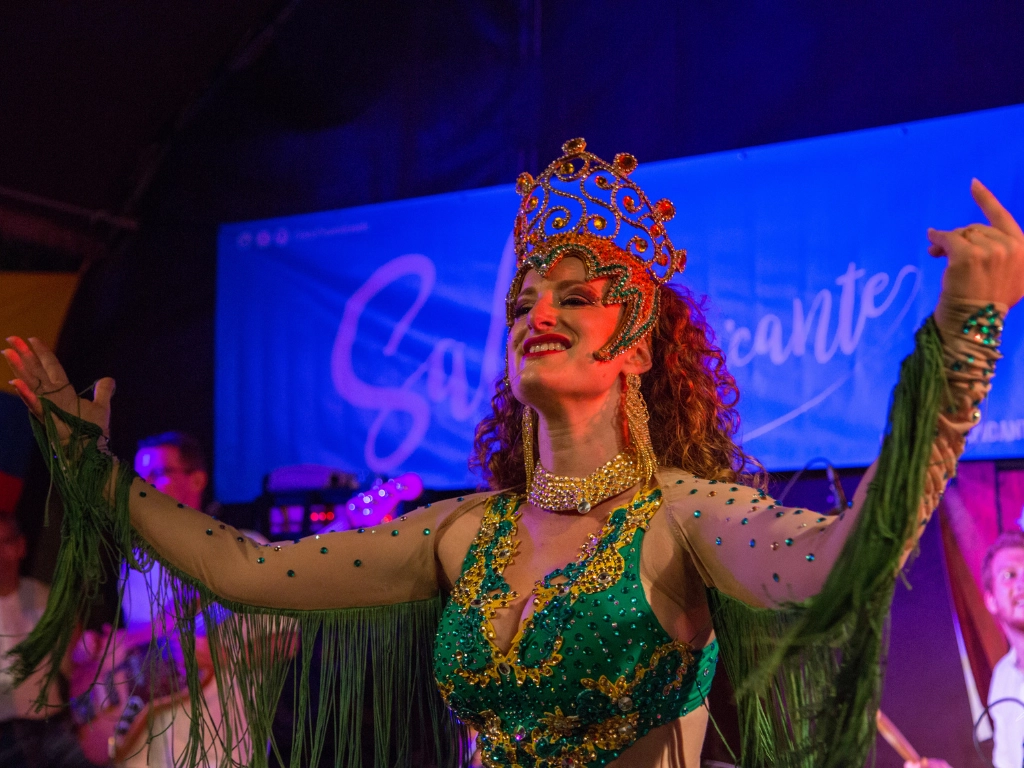
Each day of the festival gains its own theme: salsa Friday, Latin Saturday and the Fiesta Nacional Colombiana on Sunday.
Artists such as Yan Collazo, Carmelo Torres and the Orquesta Auténtica Dinamita are part of an increasingly diverse and well-established line-up.
3 themed days
2019
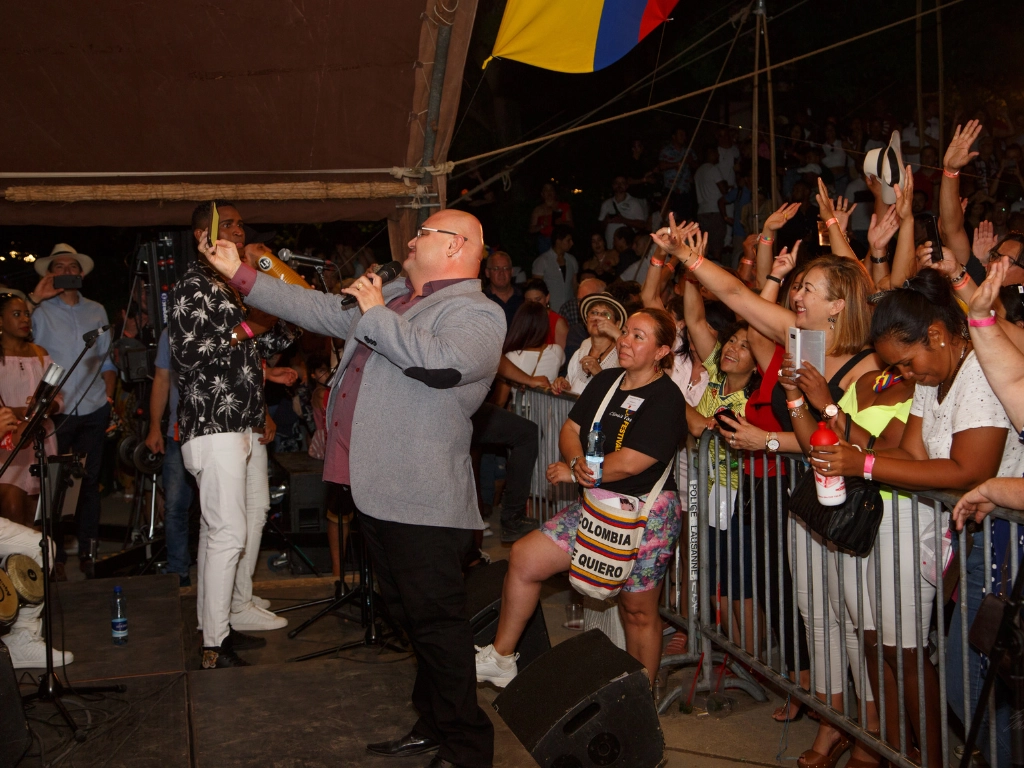
The festival welcomes Barranquilla-born singer Diego Morán as its main act.
17
18
Covid-19 2020
The Covid pause
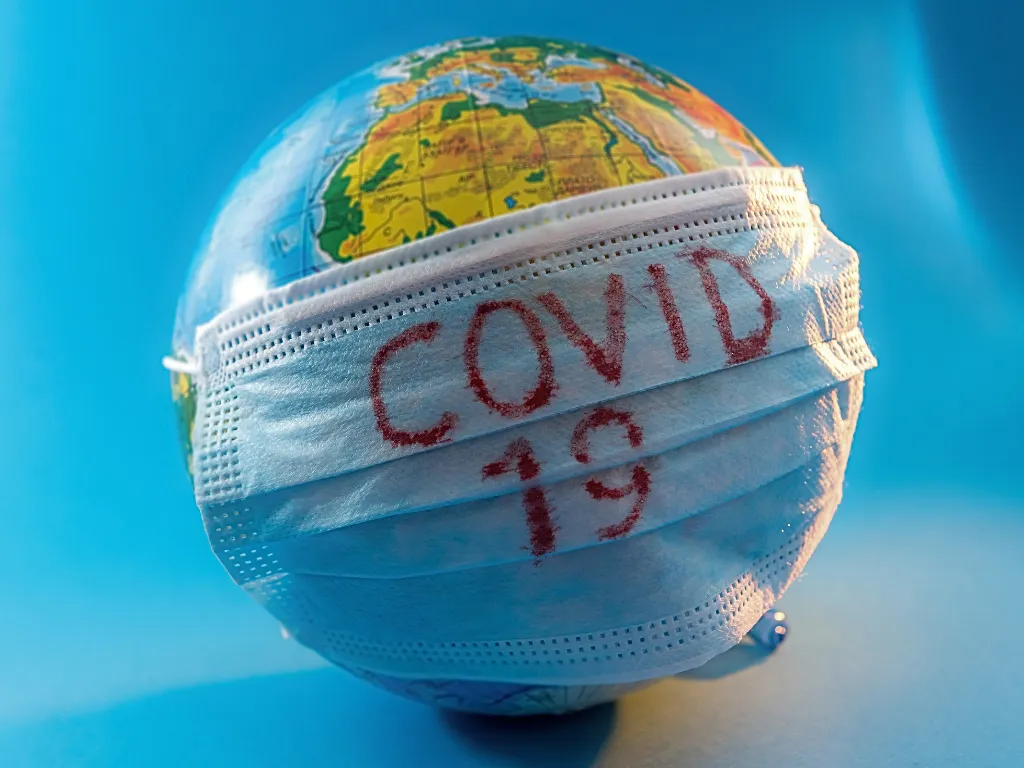
For the first time since its creation, the festival cannot take place because of the Covid-19 pandemic.
The first cancellation in the festival's history
Milestone 2021
The comeback
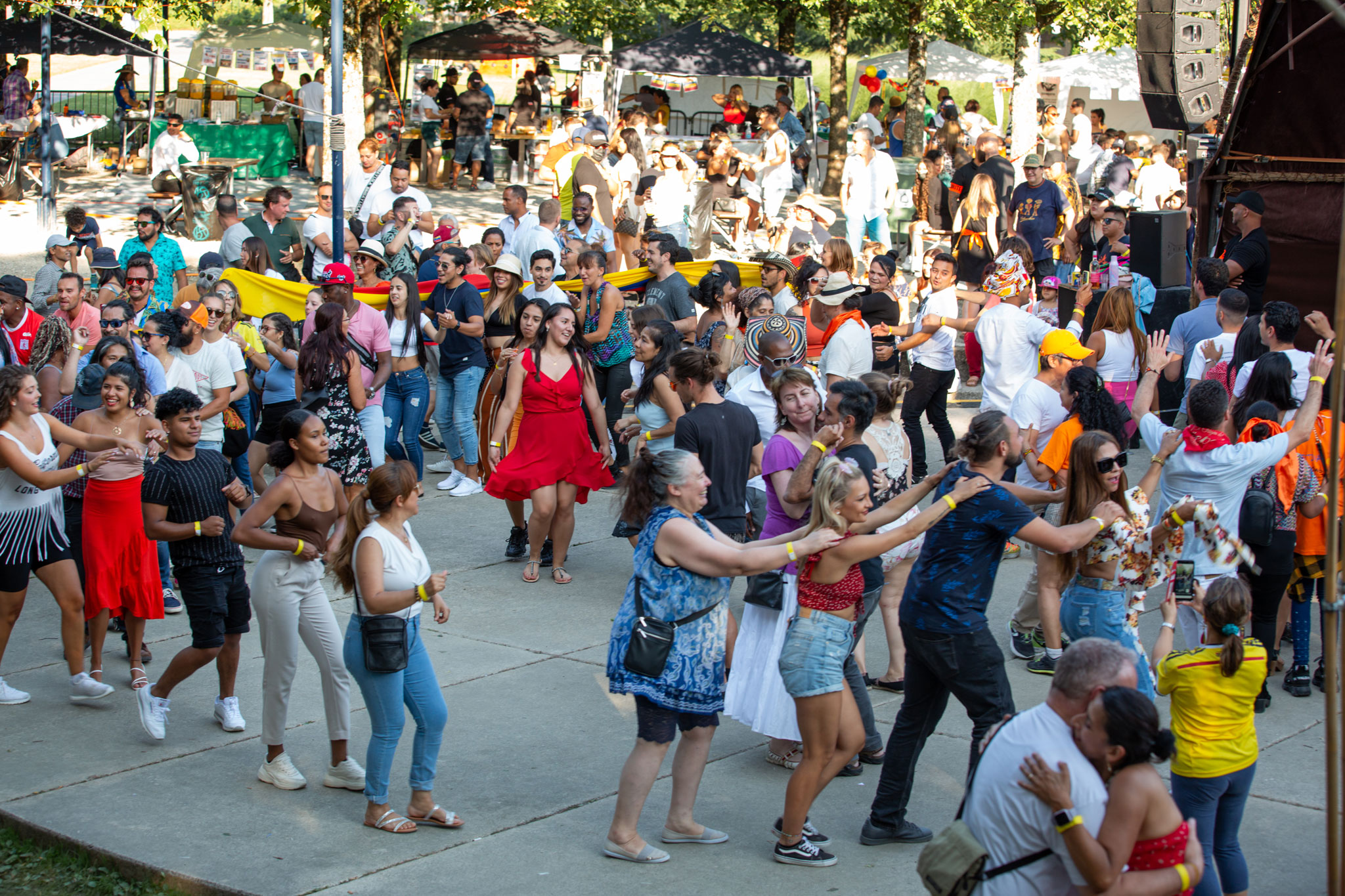
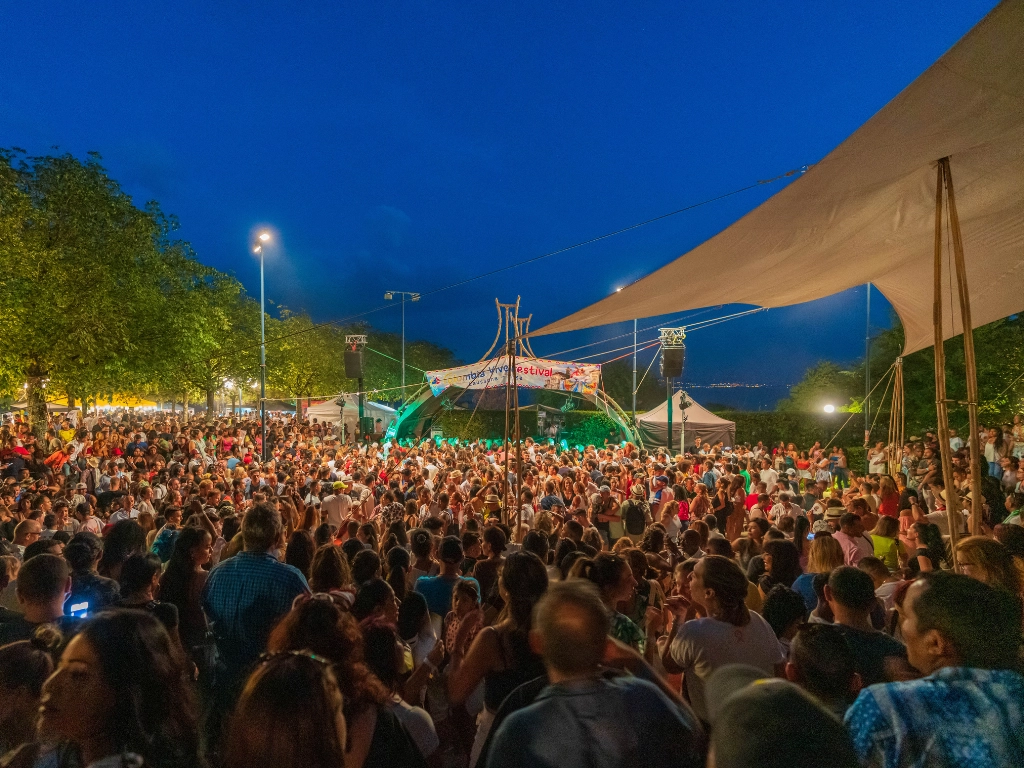
After the pandemic, the festival comes back with a special two-day edition and health measures such as the Covid vaccination certificate.
Despite the restrictions, more than 2000 people take part in the community's long-awaited reunion. This edition also includes a tribute to Cali.
2000+ attendees
19
20
2022
The festival dedicates a special night to Afro-Colombian culture with artists such as Herederos de Petrona Martínez; David Pabón (salsa) headlines Saturday and Otto Serge (vallenato) headlines Sunday.
2023
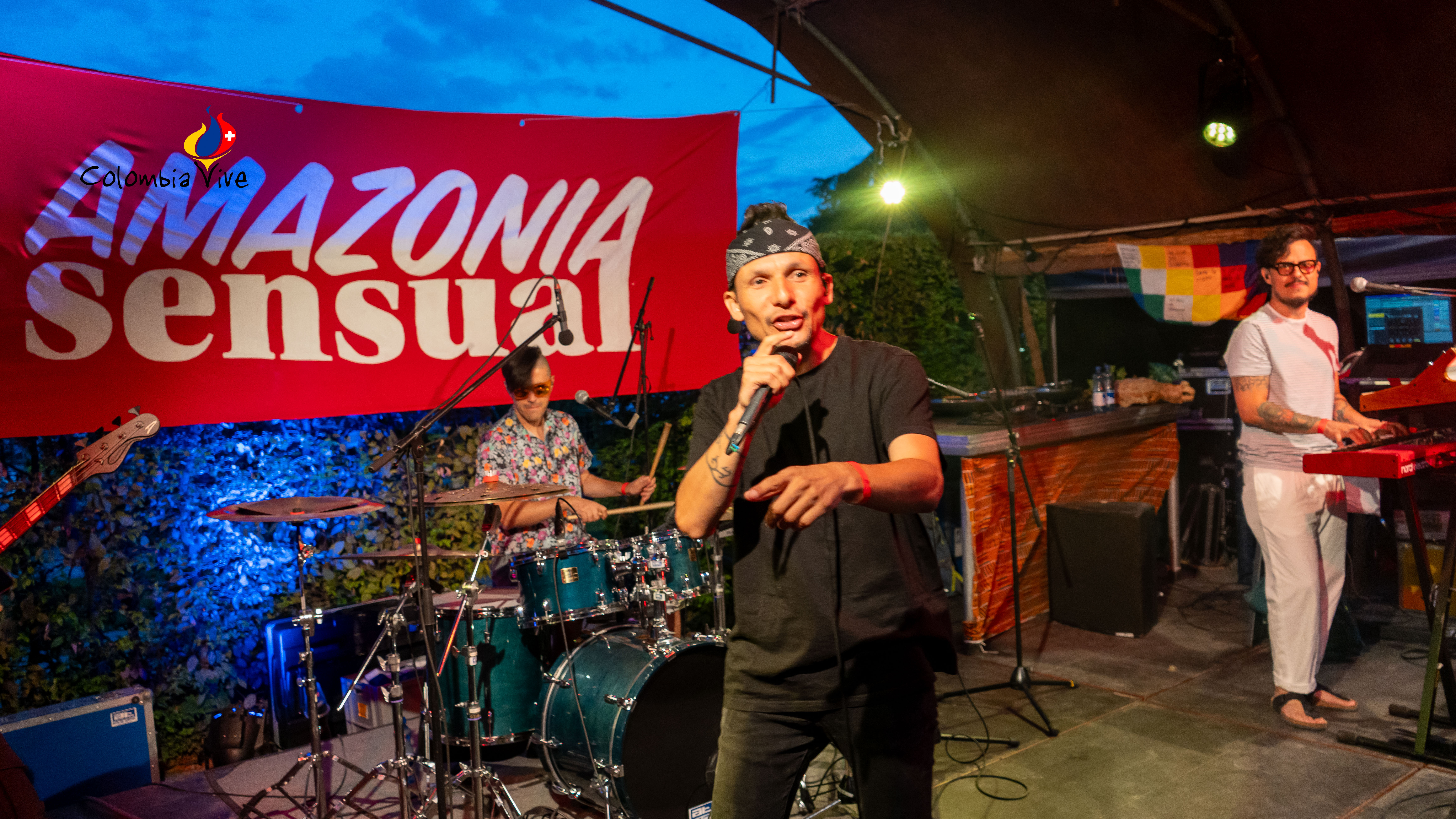
Colombian rock band Dr. Krapula and Gustavo Rodríguez are part of an edition that keeps positioning the festival as a Latin landmark in Switzerland.
21
22
Milestone 2024
New generations, new rhythms
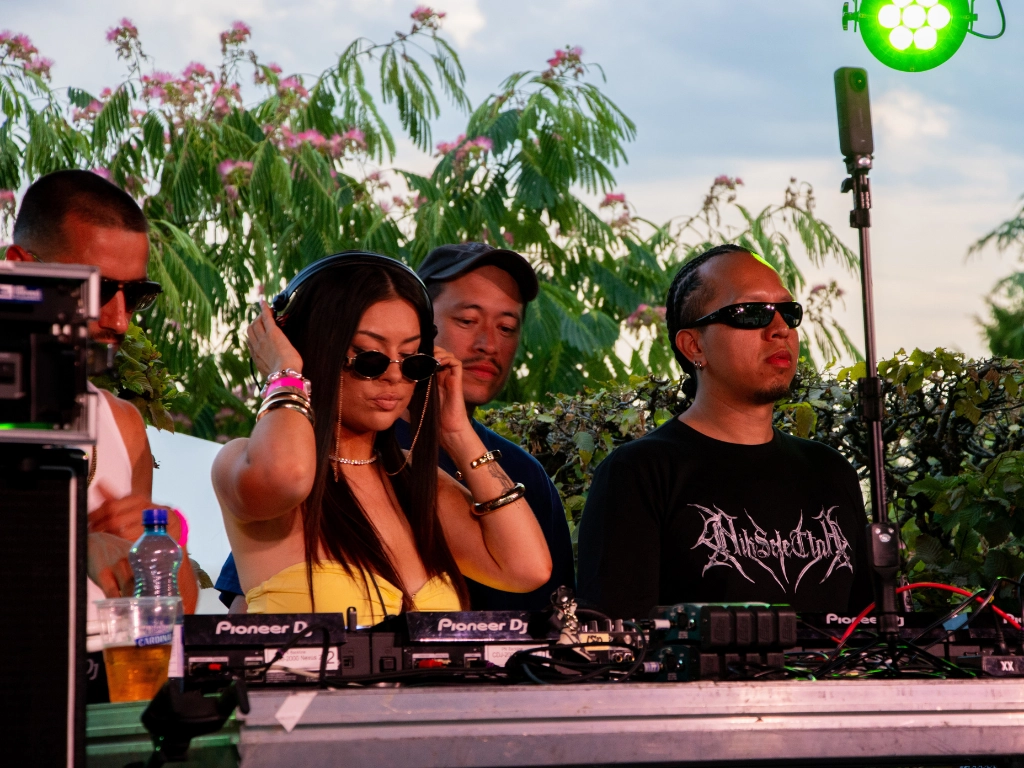
Friday at the festival becomes a day dedicated to new generations and to urban genres such as reggaeton, rap and hip hop.
Local collective House of Perreo makes its festival debut and Dinkol Arroyo, son of the legendary Joe Arroyo, becomes Saturday's main act.
Urban Friday is born
Grand finale 2025
An all-time record
The Colombia Vive Festival reaches one of the high points of its history with the appearance of Fruko y sus Tesos, a global salsa legend.
More than 5,000 people attend over the three days of the festival, confirming Colombia Vive as one of the leading Colombian and Latin American festivals in Switzerland.
One of the biggest Latin American festivals in Switzerland
5000+ attendees
23